Skip to content
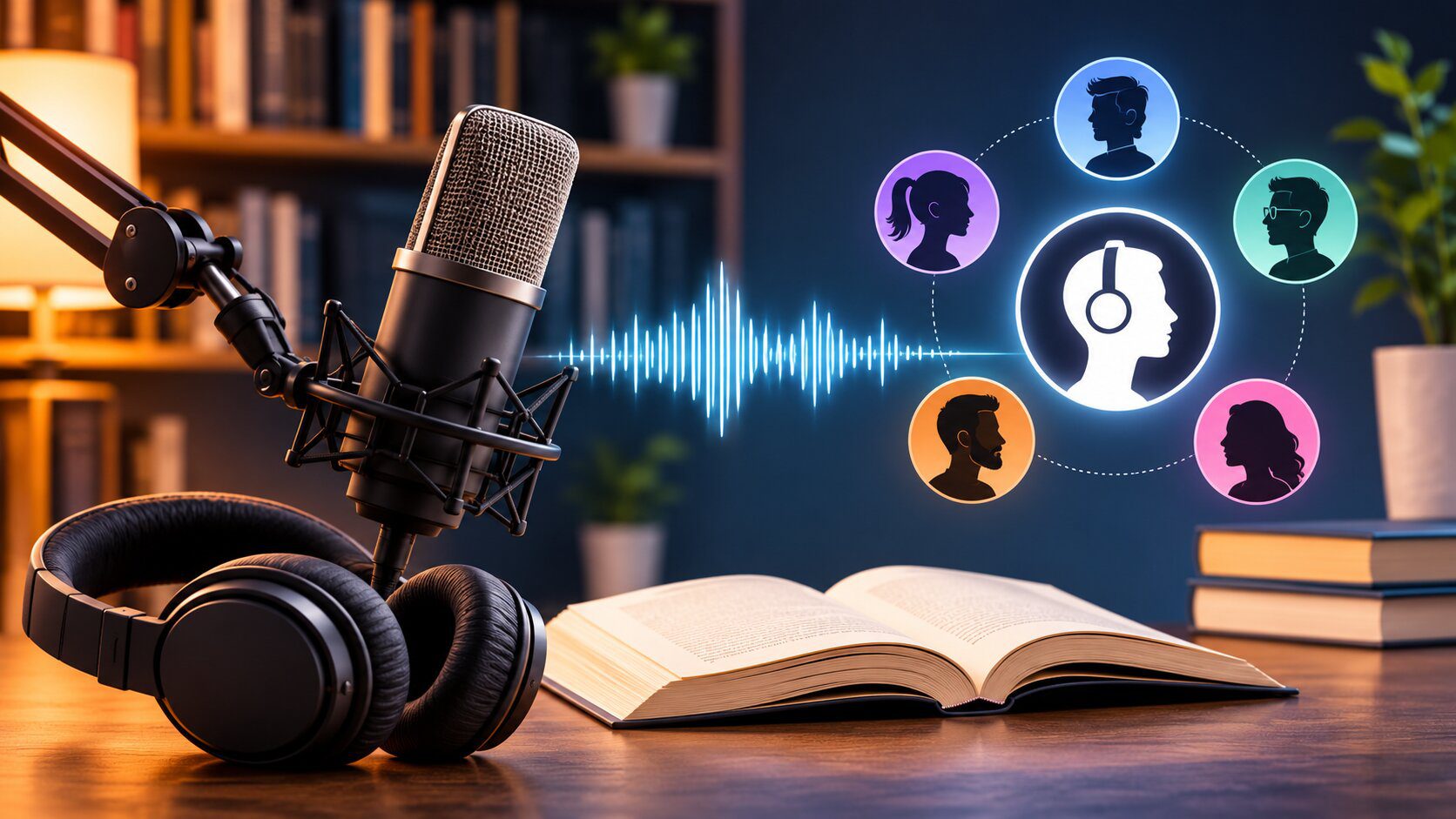
Your book is finished. The cover looks good, the ebook is live, and now you want people to hear it too. More readers than ever are listening to books on the drive to work, at the gym, or while folding laundry.
Here is the catch. A listener will forgive a plain cover. They will not forgive a voice that bothers them for nine hours straight. The person who reads your book becomes the sound of your story, so this choice deserves real thought.
At Authors KD Publishing, we help authors turn finished manuscripts into audiobooks people actually enjoy. Let’s walk through how to find a voice that fits.
Why It Matters
Why the Voice Matters So Much
Most listeners decide within the first few minutes of a sample whether they will buy. If the voice sounds flat, rushed, or out of place, they move on to the next title. And if they do buy, narration is one of the first things they mention in reviews.
A great performance can lift an average book. A poor one can sink a great book. That is a lot riding on one person, so it pays to be choosy.
Casting Brief
Start With Your Book, Not the Voice
Before you listen to a single sample, get clear on what your book needs. A fast thriller calls for pace and tension. A cosy romance needs warmth. A self help book works best with a calm, clear, trustworthy tone. Think about who is telling the story, how old they are, where they are from, and whether they speak with an accent.
Write all of this down in a short note. Include the genre, the mood, the main character’s age and background, and any foreign words or unusual names. This note becomes your casting brief. It keeps you focused and helps every narrator you contact understand exactly what you are looking for.
DIY or Hire
Should You Narrate It Yourself?
For memoirs and some nonfiction, reading your own book can work really well. Listeners like hearing a personal story in the author’s own voice.
But be honest with yourself. Narration takes stamina, a quiet recording space, decent equipment, and hours of editing. Reading aloud for a whole day is harder than it sounds. If you write fiction with many characters, a trained professional will almost always do a better job than you can on your own.
Finding Talent
Where to Look for Talent
You have a few good options. Platforms like ACX and Findaway Voices by Spotify let you post your book and receive auditions. Casting sites such as Voices.com let you search by gender, age, accent, and genre. You can also ask other authors in your genre who they worked with and loved.
If you would rather skip the searching, a publishing partner can shortlist voices for you and manage the whole recording process.
Auditions
How Do You Know an Audiobook Narrator Is a Good Fit?
The audition tells you almost everything. Pick a two- or three-page section of your book that includes dialogue, an emotional moment, and any tricky names. Send the same script to everyone so you can compare fairly. When the auditions come back, listen for these things:
- Clarity: every word is easy to follow without straining.
- Pacing: the reading is not rushed and not dragging.
- Character voices: you can tell who is speaking without the tags.
- Sound quality: no hiss, echo, or background noise.
- Feeling: the emotion matches the scene.
Listen the way your readers will, on cheap earbuds, in the car, or while doing chores. A voice that sounds fine at your desk can feel very different when you are half distracted.
Then ask yourself one simple question. Could I listen to this person for ten hours? Trust your gut on that.
Hiring
Ask the Right Questions Before You Hire
Once you have a favourite, have a proper conversation before you sign anything. Ask how much experience they have in your genre and whether they can share finished titles, not just short demos. Ask how long recording will take and how they handle corrections, which the industry calls pickups. Find out whether they will follow a pronunciation guide and whether they record and edit the audio themselves.
You should also agree on the payment model. Some narrators work for a flat fee per finished hour of audio. Others accept a royalty share, where you split earnings from sales. Each has pros and cons, so pick the one that suits your budget and goals. Get everything in writing, including who owns the final files.
Mistakes
Common Mistakes Authors Make
The biggest mistake is choosing on cost alone. A cheap recording that listeners return will cost you far more in lost sales and bad reviews.
Another common slip is skipping the pronunciation guide, which leads to retakes and delays. Some authors fall for a polished demo reel without checking a full audition from their own book. Others rush the whole process because they want the audiobook out fast.
Take your time. You only get one chance at a first impression with listeners.
Bottom Line
Let Us Help You Find Your Voice
Finding the right audiobook narrator takes patience, careful listening, and clear communication. When you get it right, your story reaches readers who might never have picked up the print edition.
If you want expert help with casting, recording, and publishing your audiobook, talk to the team at Authors KD Publishing today and let’s bring your book to life.
Frequently Asked Questions
Most audiobooks take a few weeks, depending on book length, the narrator’s schedule, and how many corrections are needed after review.
Yes. It works well for memoirs and nonfiction, as long as you can record clean audio and keep a steady pace.
A finished hour is one hour of final, edited audio. Many narrators use it as the unit for their rates.
Yes. A short list of names, places, and unusual words saves time and prevents costly retakes later.